So what is “destructive scanning”? Basically, it’s nasty, brutal and quick. It means cutting a book apart in order to digitise it. You slice off the spine or use a heated solvent to dissolve the book’s binding glue, and separate it into loose single sheets that are fed through a high-speed scanner or automatic document feeder. And, having done this, you pulp or otherwise dispose of the paper.
To anyone who cares about books, it may seem barbaric. After all – as the Google Books project showed – it’s possible to digitise books without destroying them. But that requires time and care, two things entirely absent from the tech mindset. Companies such as Anthropic are in a hurry and their appetite is gargantuan.
Author: Jason
The bad kind of Atomic Habits?
It has been a quarter century since the political scientist and Harvard professor Robert Putnam published “Bowling Alone,” a diagnosis of a nation — and a collective national identity — being torn apart at the seams. Putnam used data to show a decades-long drift away from civic institutions and tracked the decline of “social capital,” that amorphous bond of shared interests, values and goals between people.
The retreat from civic life began in the 1960s, a decade of assassinations, the Vietnam War and distrust of government, followed by the “Me Decade” of individualism in the 1970s. Just as urban and industrial movements had done a century before, subsequent suburban sprawl and lives dominated by cars also contributed to a sense of disconnection. More recently, the culprits include the 2008 economic crash, the Covid pandemic, the opioid epidemic and a profusion of low-wage, dead-end jobs in the gig economy.
Now, Putnam says, things are even worse.
“What most matters is face-to-face connection,” he said in an interview. “And that has almost certainly never been as low in American history as it is right now.”
Dodge, Duck, Dip, Dive, and Dodge
“I work for a company that produces luxury items”, one worker tells me. “Any time I get prompted that my ‘token spend’ is too low (0), I go in and ask ChatGPT random gardening questions. So far it has failed to adequately build a rain garden, but I’ve gotten it to describe a sweet potato once.”
Welcome To The Resistance: Meet The Workers Dodging (And Sabotaging) Their Employer’s AI Mandates
Time Magazine has a separate version of its website with ads only AI can see
AI webpage crawlers are now being served their very own ads that ordinary visitors never see, with one firm’s boss openly describing a strategy to influence what chatbots say about brands. The next time you ask Claude about where to bank, its answer may have been influenced by this bot-targeted content.
We only have one documented example so far, and that’s Time serving AI-only ads to selected AI crawlers, as spotted by Germany-based freelance software developer Vincent Schmalbach. In a Wednesday blog post, Schmalbach detailed how he found sponsored content embedded in markdown versions of some Time pages that are served to AI crawlers but not ordinary browsers.
Tacky, Rude and Beloved: Is an I-95 Landmark Worth Saving? – The New York Times
“What is this place?” Steve Crenshaw recalled asking his friend in the 1970s, when he first visited. Now he was there again, lured by nostalgia.
Indeed, South of the Border in Dillon, S.C., is a relic of American road travel, echoing midcentury highway oddities like Wall Drug in South Dakota and the world’s largest of just about anything across the Midwest. It harks back to a different time in the South, before the region diversified and exploded in growth.
— Read on www.nytimes.com/2026/08/08/us/south-of-the-border-carolina.html
25 years of J’s Notes
August 7, 2001
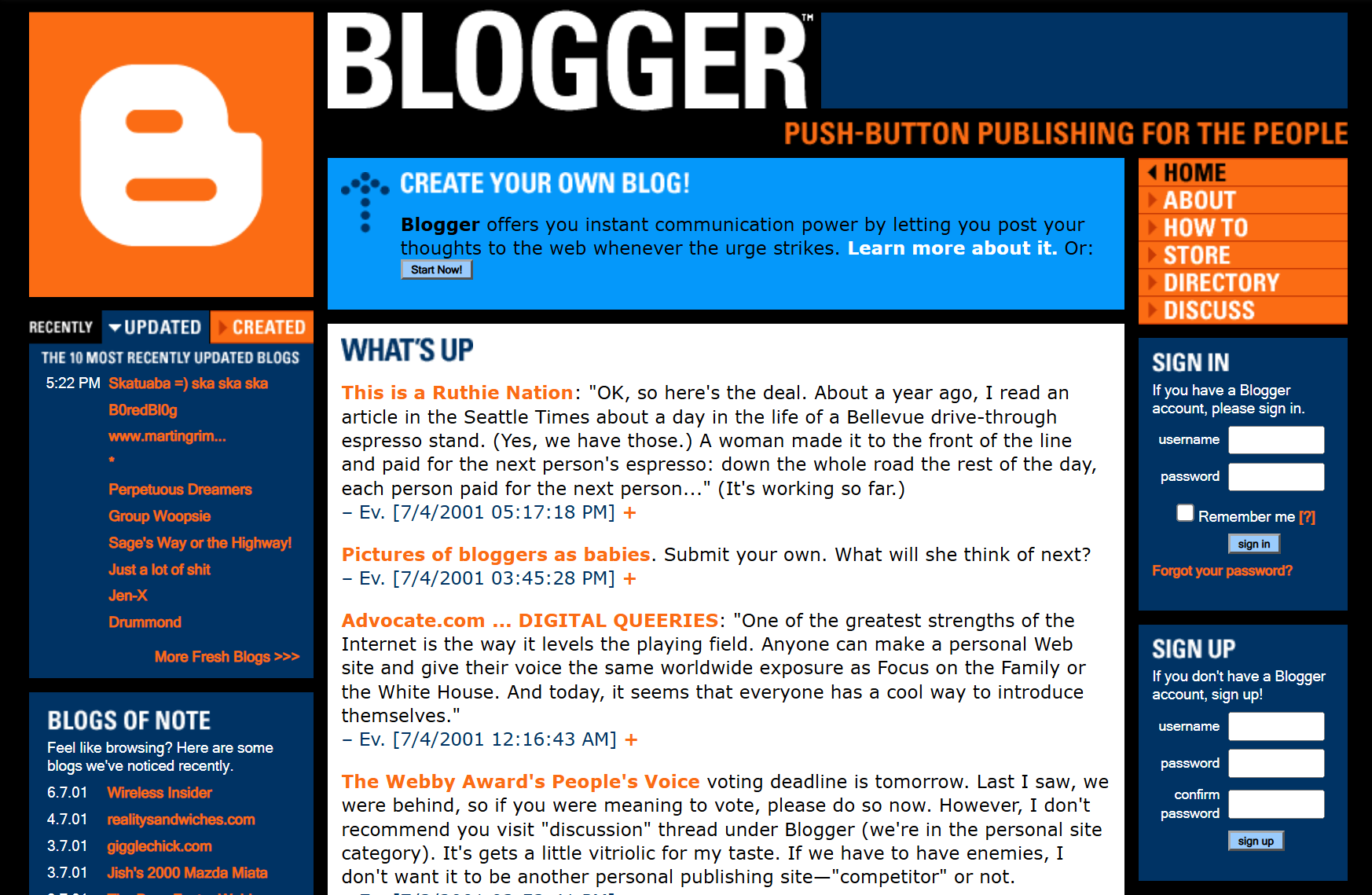
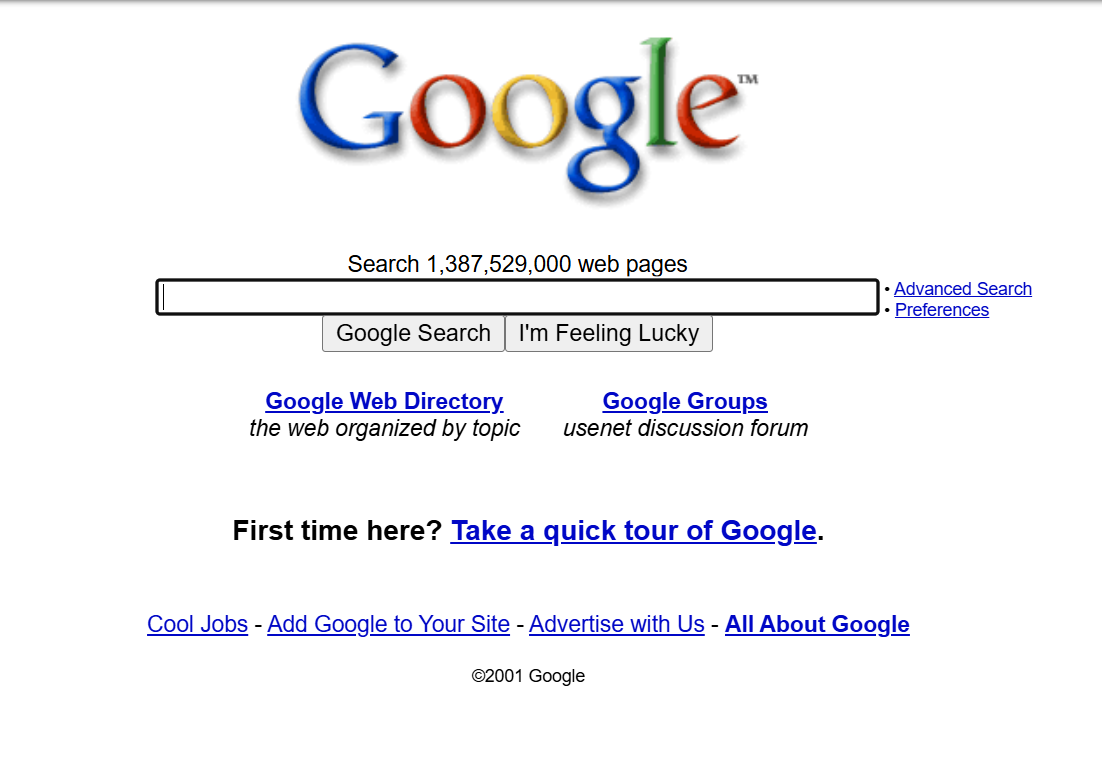
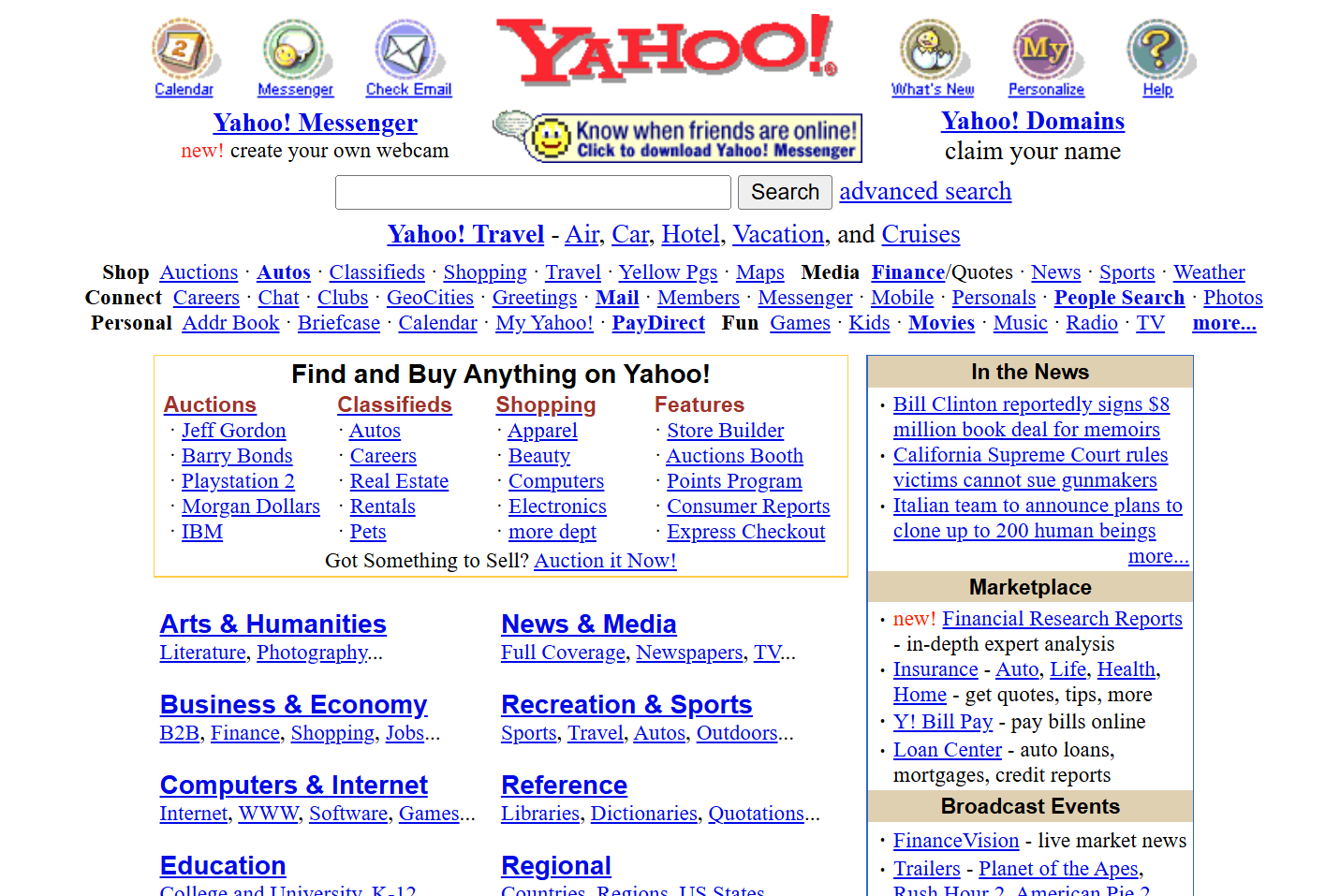
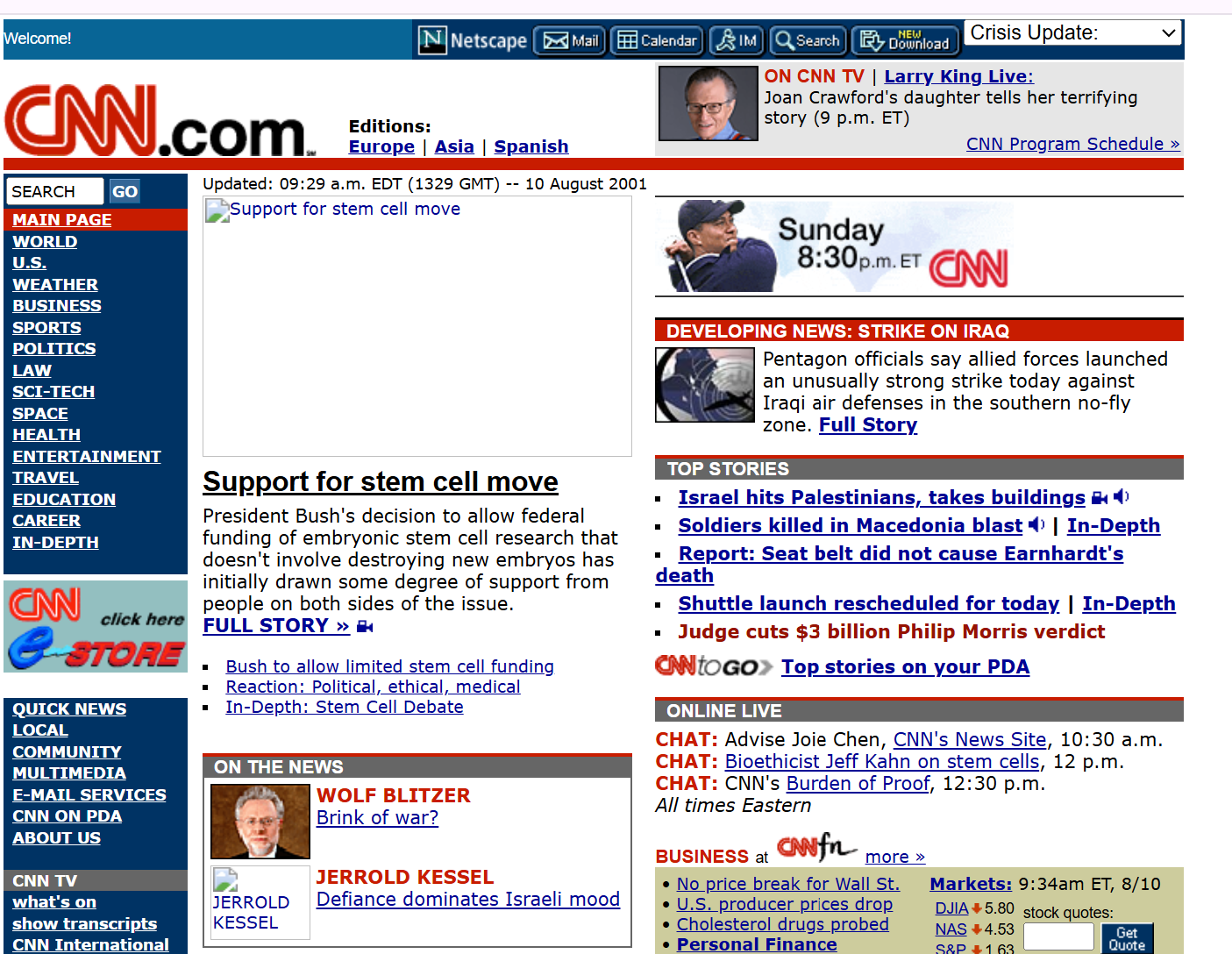
In a pre-September 11th, pre-Gmail, pre-smartphone, pre-social media, pre-YouTube, pre-Tesla, pre-COVID, pre-alotofthings world, 22 year old Jason started a blog.
That’s nuts.
The world has changed. The web has changed. I have changed. (I mean, all of that could go unsaid I guess…)
Sure, it’s been on-and-off and sometimes more meaty than others, but it’s still here.
Let’s take a trip down memory lane. Ladies and gents, a wee bit of the internet of 2001!

Do It 14,000 Times Slower With This One Trick – Semi-Rad.com
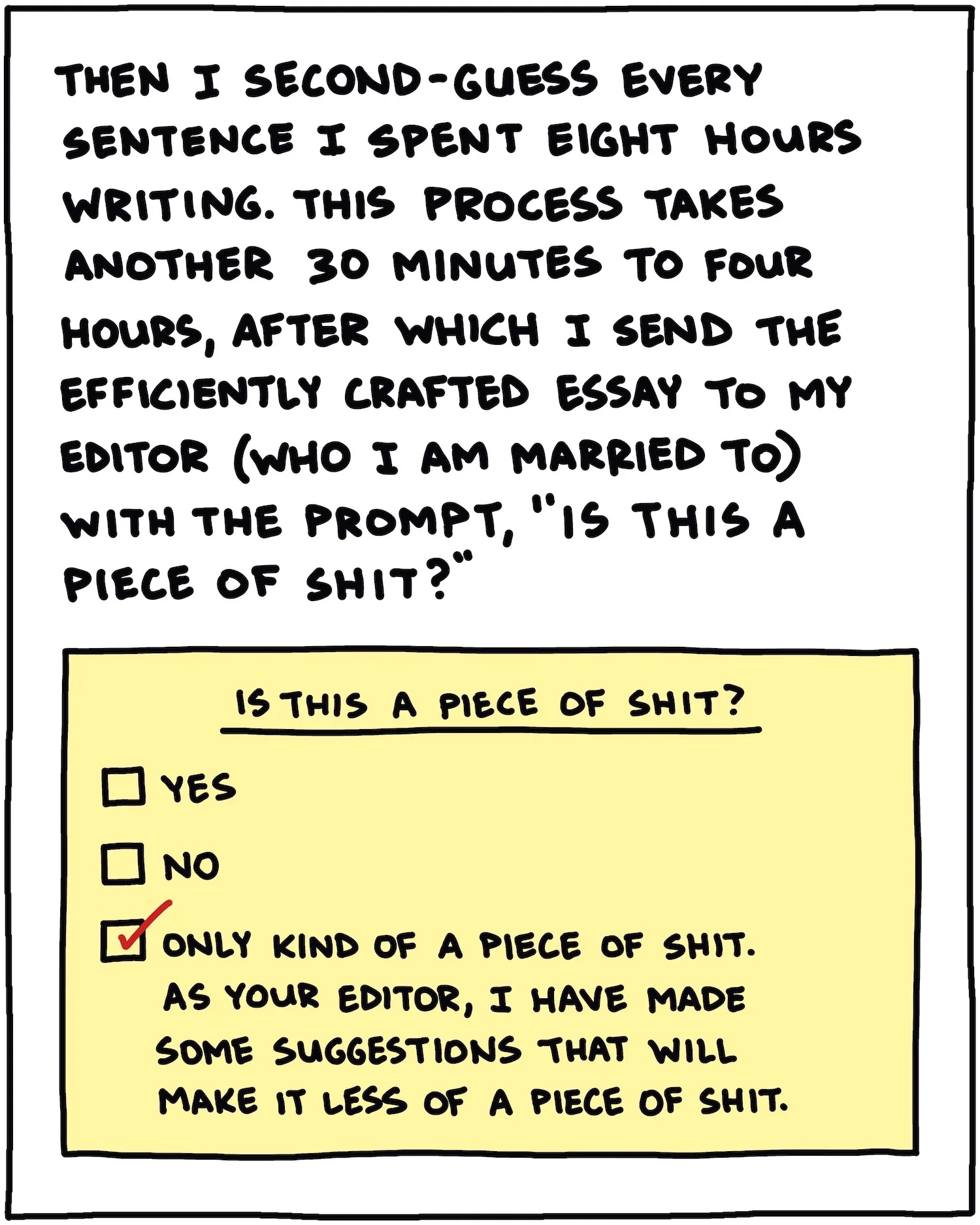
Do It 14,000 Times Slower With This One Trick
— Read on semi-rad.com/2026/08/do-it-14000-times-slower-with-this-one-trick/
Currently Listening To:
From the Twitters
“We don’t regulate steel” is one of those beliefs that reminds me of the oft-quoted observation about naive libertarianism: “like house cats, completely dependent on others but convinced of their fierce independence.”
Sharing because as “oft-quoted” as Dean says it is, I’ve never heard that before and it’s brilliant.
Dollars vs Butts In Seats
Yes, $430M is more than $402M in 2026. But the problem is that only the $430M number is from 2026. The $402M number is from 2019. Thanks to said inflation, $402M earned in 2019 is actually closer to $525M in 2026 if you simply adjust using the consumer pricing index numbers. The reality is slightly more nuanced because movie ticket prices don’t track exactly to this number, and actually overall inflation has caused the CPI to rise faster than ticket prices. Still, the 2019 number is almost certainly closer to $500M when adjusting for 2026 movie ticket prices.$525M – or even just $500M – is still more than $430M. So what we’re really celebrating here is that things are more expensive with time. That includes milk. That includes movie tickets. Congrats, everyone.